If you are planning an Île de Ré travel guide for the first time, one decision will shape almost everything else: which village you use as your base. On a compact island where most days involve beaches, markets, cycling lanes and short drives, your “home village” quietly sets your rhythm—early mornings versus late dinners, quiet lanes versus lively harbours, quick access from the bridge versus a more rural feel.
Direct answer: To avoid generic advice, start by picking your base village (Saint-Martin-de-Ré for charm and dining, La Flotte/Rivedoux for convenience and families, Ars-en-Ré/Loix for calm), then build your days around cycling routes, beaches and a handful of headline sights like the Phare des Baleines and local markets.
This article compares the main villages by travel profile (couple, family, quiet escape), then turns those choices into a practical plan: when to come, how to get in, what to prioritise if you have limited time, and what local tastes to look for once you arrive.
Your decision checklist for the Île de Ré
- Short stay (weekend): base near the middle (often Saint-Martin-de-Ré) to cut back-and-forth travel.
- With kids or early arrivals by car: consider La Flotte or Rivedoux for easier access from the bridge.
- For quiet days and nature: look towards Ars-en-Ré or Loix and plan around bike outings.
- In summer: book earlier and expect more traffic and parking pressure, especially in popular villages.
- Without a car: choose a village where you can reach beaches, markets and bike rentals quickly on foot.
Île de Ré at a Glance: Location, Access and Best Time to Visit
The Île de Ré sits off La Rochelle, in Charente-Maritime (Atlantic coast). For most travellers, the simplest access is by car or taxi via the bridge from the mainland, then moving around by bike once you are settled—especially in fine weather.
One cost to plan upfront is the bridge toll (round trip) for light vehicles, which varies by season. According to the Département de la Charente-Maritime, it is €4 in low season, €8 in mid season and €16 in high season (rates in force since 1 January 2025). You can verify the details (season dates and vehicle classes) in the grille tarifaire officielle du péage.
4 / 8 / 16EUR
Round-trip bridge toll for light vehicles (classes 1–2), depending on season (Département de la Charente-Maritime, rates since 1 Jan 2025).
When is the best time to visit the Île de Ré?
If you want the classic “busy harbour + long beach days” atmosphere, summer delivers—but it also concentrates crowds, traffic and booking pressure. For many travellers, the most comfortable compromise is a shoulder-season stay (spring or early autumn): you keep long daylight and pleasant cycling conditions while typically seeing a quieter island rhythm.
A concrete way to decide is to compare the same trip in two periods. A July weekend usually means you will plan around peak demand (accommodation availability and restaurant reservations), while a May or September stay can feel more flexible—especially if you want to bike between villages without constantly sharing paths with large flows of visitors.
How do you get around once you arrive?
The island’s compact scale makes it well suited to short stays and slow travel. Many visitors aim to park once, then cover villages, beaches and salt marsh landscapes by bike, mixing in short car hops only when needed (for example, if you travel with very young children or have mobility constraints).
What to double-check before you leave: parking rules and seasonal restrictions can change by commune and period; confirm local signage and current municipal information when you arrive, especially in high summer.
Which Village Should You Stay In?
If you only make one planning decision in advance, make it this one: choose your base village first. It will determine your daily logistics (how early you need to leave for parking, whether you can walk to a market, how far your evening ride back feels) as much as your “must-sees”.
For an official overview of the island’s settlements, the office de tourisme officiel de l’île presents 10 villages, each with its own atmosphere—useful when you want a stay that matches your pace rather than a generic list of spots.

The quick orientation: Saint-Martin-de-Ré often suits travellers who want charm, a lively harbour feel and plenty of dining options within walking distance, plus the Vauban ramparts as a ready-made evening stroll. Ars-en-Ré and Loix tend to feel quieter and more rural, which can be a relief if your priority is calm nights and cycling out into open landscapes.
On the more convenient side for arrivals, Rivedoux sits closest to the bridge—useful if you are doing a short trip or want to minimise crossing time at busy moments. La Flotte is often considered a good “family base” style option thanks to its harbour vibe and practical day-to-day feel, while still staying close enough to split the island into manageable day rides.
Which village is best for your travel profile?
Use this grid to translate “vibe” into a decision. It does not replace checking exact accommodation locations, but it helps you pick the right starting point for your search.
| What you want most | Villages to start with | Why it fits (and what you trade off) |
|---|---|---|
| Restaurants, harbour evenings, walkable charm | Saint-Martin-de-Ré | Strong “evening plan” without driving; you may face more demand in peak season. |
| Quiet lanes, rural atmosphere, slower pace | Ars-en-Ré, Loix | Calmer feel and nature nearby; some evenings may be quieter, so plan meals earlier. |
| Family-friendly base and easier logistics | La Flotte, Rivedoux | Convenient access and practical day structure; you may travel a bit more to reach the far end sights. |
| Maximum convenience for a short stay | Rivedoux | Fast in/out from the bridge; less “deep island” feeling if that is your priority. |
Should you stay near the bridge or on the far side of the island?
If you are arriving late, staying a night or two, or travelling with a car and lots of gear, being near the bridge can be a real comfort: less driving on arrival, and you can start exploring quickly. The trade-off is that you may spend more time commuting by car or bike to reach northern highlights like the Phare des Baleines area.
If your goal is to slow down—early bike rides, salt marsh landscapes, quieter streets—choosing a base farther from the bridge can make the island feel more “escaped”. The trade-off is simple: it is less forgiving if you only have a weekend, because each day has a longer out-and-back arc.
Cas pratique
Hypothetical example: you have 2 full days, arrive Friday evening, and want one “harbour village” night and one nature-heavy day. Basing in Saint-Martin-de-Ré lets you do Friday dinner on foot; then you can dedicate Saturday to a long bike loop (market + beaches) and still be back without rushing. If calm is the priority, switching the base to Ars-en-Ré makes the evenings quieter, but you will plan Saturday’s route more carefully to avoid backtracking.
What to Do and See on the Island
The signature activity on the Île de Ré is simple: get on a bike. It is the most consistent way to link beaches, villages, salt marsh scenery and markets without turning your trip into a parking hunt—especially in the busy months.
From there, build your itinerary around a few “anchors” rather than trying to do everything: one or two villages you explore on foot, one lighthouse or panoramic spot, one market morning, and one longer nature-focused ride (salt marshes, quieter coasts). That combination tends to feel like a full trip even on a short stay.
What are the must-see places on the Île de Ré?
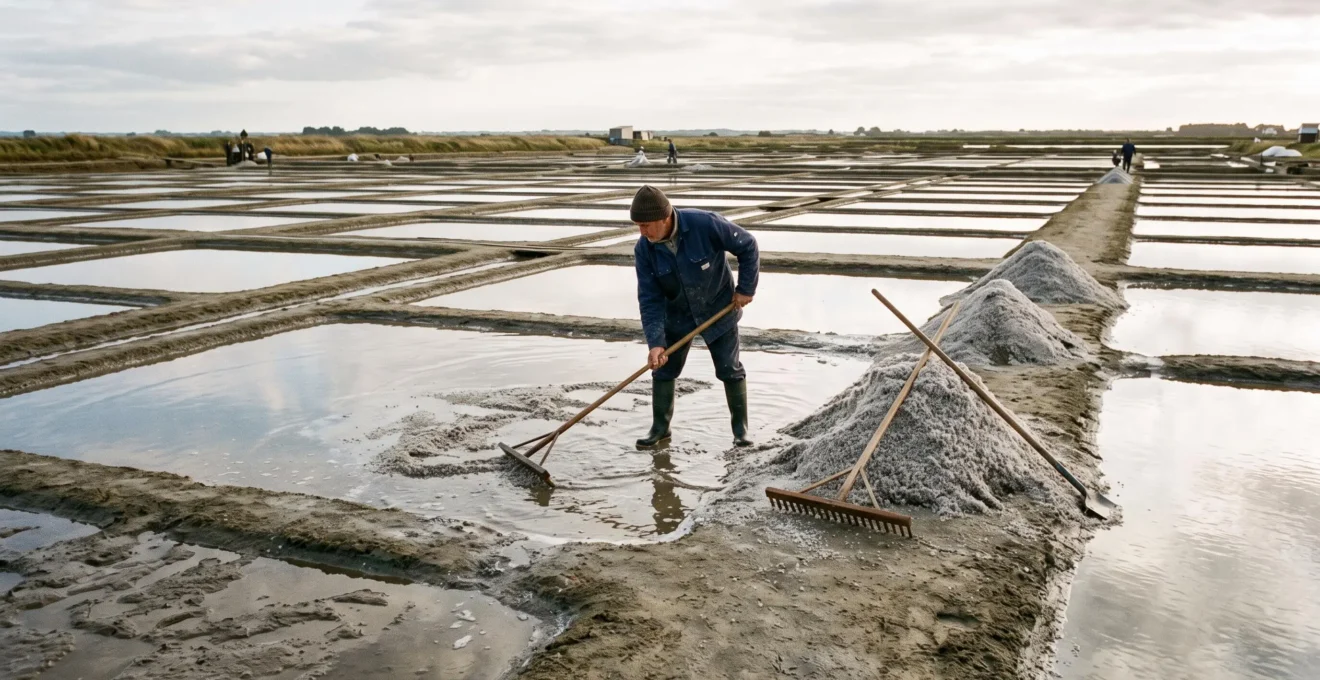
If you want a focused shortlist, start with: Saint-Martin-de-Ré for its harbour atmosphere and ramparts, Ars-en-Ré for a more rural village feel, and a trip towards Saint-Clément-des-Baleines / Phare des Baleines for the “end of island” scenery. Add at least one market morning (timings vary by village and season) and a salt marsh landscape ride to balance village time with nature.
Beach choice is mainly about the day you want: a convenient swim close to your base, or a longer bike ride to stretch the day. Rather than chasing a single “best beach”, pick one that fits your wind and timing, then keep a second option in mind in case conditions change.
A simple one-day itinerary if you are short on time
If you only have one full day, prioritise variety over distance. The goal is to combine one village visit, one coastal stretch, and one landscape change (marshes or lighthouse area) without spending your day turning around on the same path.
- Start early with a market stop
Pick the closest village market to your accommodation so you do not lose the morning to transport.
- Ride one “scenic leg” of the day
Choose a coastal or marsh-side segment where the cycling itself is part of the experience, not just a transfer.
- Anchor the afternoon with one headline sight
Either a lighthouse-area outing or a long beach break; keep the other for your next visit.
- Return via a different village
A second village stop on the way back makes the day feel fuller without adding much complexity.
Where to Eat and What to Taste
On the Île de Ré, the most reliable “local” food experiences are often the simplest: market produce, oysters, and anything linked to the island’s salt. If you want something that feels distinctly Rétais, look for oysters, sea salt, and island products showcased at village markets.
The most travel-proof plan is to decide where you will eat by village type. Harbourside villages (such as Saint-Martin-de-Ré and La Flotte) naturally lend themselves to evening dinners and people-watching, while quieter communes may be better for daytime tastings and early meals—then a calm night back at your accommodation.
Where can you get an authentic oyster experience?
A classic, low-effort option is an oyster-tasting moment at a cabane facing the oyster beds: it is straightforward, local, and easy to fit into a cycling day. The main practical tip is timing—go earlier rather than too late in the day in peak season, and keep cash on hand if a small producer does not take cards.
If you prefer a more structured dinner, treat oysters as the “starter plan” and pick a village where you can walk to several restaurant options. It avoids the common high-season trap of driving around at meal time looking for a table.
Practical Tips to Plan Your Stay
Good logistics are what make the Île de Ré feel effortless. The three points that most often create friction are bridge timing, parking strategy, and booking lead time in high season. Handle these early and the rest of your itinerary becomes flexible.
Is the Île de Ré bridge toll expensive?
It depends on your travel period more than on distance: for light vehicles, the round-trip toll is €4 in low season, €8 in mid season, and €16 in high season (rates since 1 January 2025, Département de la Charente-Maritime). If you are budgeting tightly, that seasonal gap is a practical argument for travelling outside peak periods.
For the context behind the 2025 tariff change (including the confirmation of a three-season grid for light vehicles), you can consult the Département’s site officiel du pont de Ré.
What should you plan for parking, especially in summer?
Assume parking will be easier if you make one clear choice: either park once and commit to cycling/walking, or accept that you will plan your days around where you can leave the car. In high season, that usually means arriving earlier to popular spots and staying realistic about “quick stops” in the most visited villages.
Because rules can change by commune and season, use a simple on-the-ground method: read the entrance signs carefully, check payment hours, and take a photo of the rule panel so you do not rely on memory later in the day.
What budget should you expect for a weekend?
Without inventing price ranges that vary sharply by season and booking timing, you can still structure your budget around three predictable categories: access costs (bridge toll if you drive), local mobility (bike rental if you do not bring your own), and food (market lunches versus restaurant dinners). Accommodation is the biggest variable—your village choice and travel dates will do most of the “pricing work” before you even compare properties.
- Lock your dates first
Your season will influence both the bridge toll and how early you may need to book accommodation.
- Choose your base village
This sets how much you will rely on the car versus bikes, and how often you will eat out nearby.
- Decide your mobility plan
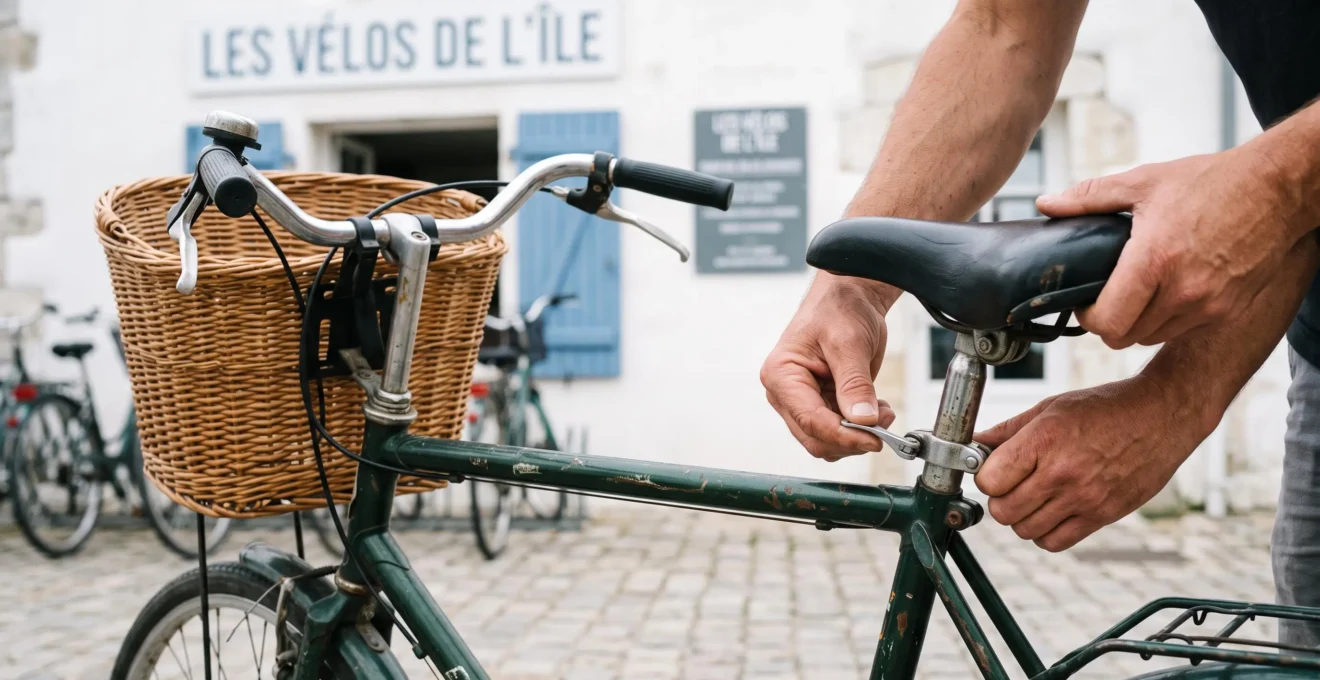
Bring bikes, rent on arrival, or mix biking with short drives depending on your profile and weather.
- Plan two “fixed meals” and keep the rest flexible
For example: one restaurant dinner you book, plus one market-based lunch; fill the gaps based on energy and crowd levels.
Do you need to book in advance?
In high season, booking ahead is less about finding “the best deal” than avoiding a forced choice (wrong village, wrong location, or splitting your stay). If you are travelling in summer or around holiday weekends, treat accommodation and any “must-have” dinners as items to secure earlier, then keep your daytime plan flexible around weather and energy.
Which village should I base myself in for a week on the Île de Ré?
Pick the village that matches your daily rhythm. If you want walkable evenings and lots of dining, start with Saint-Martin-de-Ré. If you want quieter nights and more rural rides, consider Ars-en-Ré or Loix. If you want convenience from the bridge and practical day trips, La Flotte or Rivedoux can make the week feel simpler.
Can you get around the island without a car?
Yes, many travellers structure their stay around cycling and walking, especially if they choose a base village with easy access to beaches, a market and bike rentals. A car becomes more useful if you arrive with lots of equipment, travel with very young children, or want to move frequently between far ends of the island in a short time.
What are the must-see places on the Île de Ré?
For a first trip, prioritise one harbour village experience (often Saint-Martin-de-Ré), one quieter village (such as Ars-en-Ré), and one “end of island” outing around Saint-Clément-des-Baleines and the Phare des Baleines area. Add a market morning and a bike ride through salt marsh landscapes to balance villages with nature.
Is it better to go in July or September?
July typically delivers the busiest, most summery atmosphere, but it can also mean more crowding and higher booking pressure. September often feels more flexible and calmer for cycling and village visits, while still offering a strong “holiday” feel. Your best choice depends on whether you prioritise peak energy or a smoother day-to-day pace.
If you want your planning to feel straightforward, treat this Île de Ré travel guide as a sequence: choose your base village, commit to a bike-first itinerary, then add only a few anchor sights and food moments. That approach usually delivers the most “island time” with the least uncertainty.
If you also enjoy short island escapes in France, you might like this piece on the Lérins Islands.