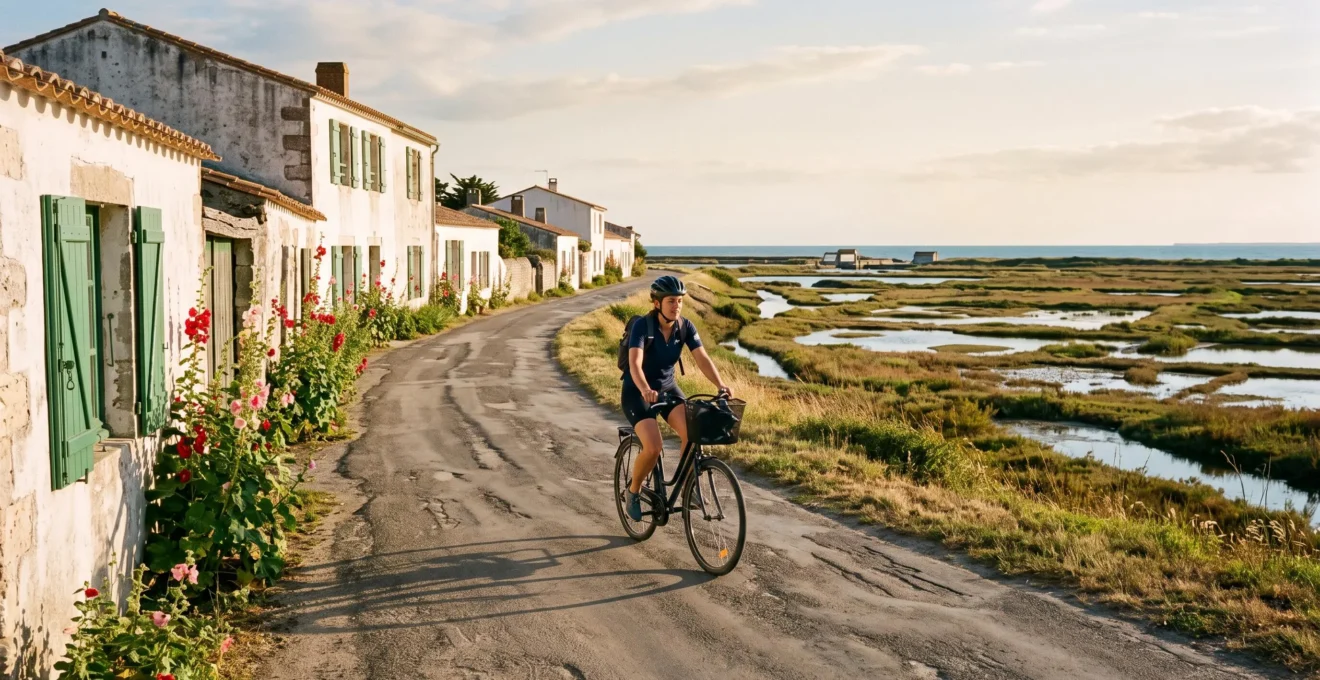
If you are planning your first trip to Île de Ré, one decision will shape almost everything else: which village you choose as your base. On this compact island, days often revolve around beaches, markets, cycle paths and short journeys between villages. Your base helps set the pace of your stay, from quiet mornings and rural surroundings to lively harbours and late dinners.
Direct answer: Start by choosing a base that matches your priorities: Saint-Martin-de-Ré for its harbour, restaurants and historic setting; La Flotte for its village atmosphere and market; Rivedoux-Plage for convenient access near the bridge; or Ars-en-Ré and Loix for village life close to salt marshes and natural landscapes. Then plan your days around cycle routes, beaches, markets and key sights such as the Phare des Baleines.
This article compares the main villages by travel profile (couple, family, quiet escape), then turns those choices into a practical plan: when to come, how to get in, what to prioritise if you have limited time, and what local tastes to look for once you arrive.
Your decision checklist for the Île de Ré
- Short stay (weekend): base near the middle (often Saint-Martin-de-Ré) to cut back-and-forth travel.
- With kids or early arrivals by car: consider La Flotte or Rivedoux for easier access from the bridge.
- For quiet days and nature: look towards Ars-en-Ré or Loix and plan around bike outings.
- In summer: book earlier and expect more traffic and parking pressure, especially in popular villages.
- Without a car: choose a village where you can reach beaches, markets and bike rentals quickly on foot.
Île de Ré at a Glance: Location, Access and Best Time to Visit
The Île de Ré sits off La Rochelle, in Charente-Maritime (Atlantic coast). For most travellers, the simplest access is by car or taxi via the bridge from the mainland, then moving around by bike once you are settled—especially in fine weather.
One cost to factor into your trip is the Île de Ré bridge toll, which varies by season. According to the official tourist information, the round-trip toll for light vehicles is €4 in low season, €8 in mid season and €16 in high season. Low season runs from 15 November to 1 March, mid season from 2 March to 14 June and from 16 September to 14 November, and high season from 15 June to 15 September. The higher rate also applies during the Ascension and Pentecost holiday periods, including the preceding day. Check the official rates before travelling in case the schedule changes.
€4 / €8 / €16
Round-trip bridge toll for light vehicles, depending on season. Check the official rate schedule before departure.
When is the best time to visit the Île de Ré?
If you want the classic “busy harbour + long beach days” atmosphere, summer delivers—but it also concentrates crowds, traffic and booking pressure. For many travellers, the most comfortable compromise is a shoulder-season stay (spring or early autumn): you keep long daylight and pleasant cycling conditions while typically seeing a quieter island rhythm.
A concrete way to decide is to compare the same trip in two periods. A July weekend usually means you will plan around peak demand (accommodation availability and restaurant reservations), while a May or September stay can feel more flexible—especially if you want to bike between villages without constantly sharing paths with large flows of visitors.
How do you get around once you arrive?
Île de Ré is well suited to slow travel, particularly if you plan to explore by bicycle. Its 138 km of cycle paths connect a variety of landscapes and villages, and bike-hire services are available across the island. Travellers without a car can also use bus route 150 between La Rochelle and Les Portes-en-Ré, while free electric shuttle services operate on selected routes during part of the year. Check current timetables before travelling, as shuttle services and schedules vary by season.
What to double-check before you leave: parking rules and seasonal restrictions can change by commune and period; confirm local signage and current municipal information when you arrive, especially in high summer.
Which Village Should You Stay In?
If you only make one planning decision in advance, make it this one: choose your base village first. It will determine your daily logistics (how early you need to leave for parking, whether you can walk to a market, how far your evening ride back feels) as much as your “must-sees”.
For an official overview of the island’s settlements, the Île de Ré Tourist Office village guide introduces all ten villages and their distinct characteristics. It is a useful starting point for matching your accommodation to the kind of stay you want.
Saint-Martin-de-Ré is worth considering if you want a historic harbour, restaurants and the Vauban fortifications within walking distance of the village centre. Ars-en-Ré offers a village setting close to salt marshes and local landscapes, while Loix is surrounded by marshes and natural areas. These locations may appeal to travellers looking for a quieter setting, although the atmosphere depends on the season and the exact location of the accommodation.
Rivedoux-Plage is the first village after crossing the bridge, making it a practical starting point for a short visit. La Flotte offers a harbour, a market and historic streets, and can be a convenient base for travellers who want to combine village visits with time outdoors. Before booking, compare the property’s location with your preferred beaches, activities and transport options.
Which village is best for your travel profile?
Use this grid to translate “vibe” into a decision. It does not replace checking exact accommodation locations, but it helps you pick the right starting point for your search.
| What you want most | Villages to start with | Why it fits (and what you trade off) |
|---|---|---|
| Restaurants, harbour evenings, walkable charm | Saint-Martin-de-Ré | Strong “evening plan” without driving; you may face more demand in peak season. |
| Quiet lanes, rural atmosphere, slower pace | Ars-en-Ré, Loix | Calmer feel and nature nearby; some evenings may be quieter, so plan meals earlier. |
| Family-friendly base and easier logistics | La Flotte, Rivedoux | Convenient access and practical day structure; you may travel a bit more to reach the far end sights. |
| Maximum convenience for a short stay | Rivedoux | Fast in/out from the bridge; less “deep island” feeling if that is your priority. |
Should you stay near the bridge or on the far side of the island?
If you are arriving late, staying a night or two, or travelling with a car and lots of gear, being near the bridge can be a real comfort: less driving on arrival, and you can start exploring quickly. The trade-off is that you may spend more time commuting by car or bike to reach northern highlights like the Phare des Baleines area.
If your goal is to slow down—early bike rides, salt marsh landscapes, quieter streets—choosing a base farther from the bridge can make the island feel more “escaped”. The trade-off is simple: it is less forgiving if you only have a weekend, because each day has a longer out-and-back arc.
A practical example
Imagine arriving on Friday evening for a two-day stay, with one evening planned around a harbour and the following day focused on nature. Staying in Saint-Martin-de-Ré can make it easier to walk to dinner and explore the historic centre. From there, you could plan a cycle ride for the next day, choosing a route that includes a market or a stretch of coastline. If you prefer to stay closer to quieter landscapes, Ars-en-Ré is another option, but plan your route around the distances involved and the time you have available.
What to Do and See on the Island
The signature activity on the Île de Ré is simple: get on a bike. It is the most consistent way to link beaches, villages, salt marsh scenery and markets without turning your trip into a parking hunt—especially in the busy months.
From there, build your itinerary around a few “anchors” rather than trying to do everything: one or two villages you explore on foot, one lighthouse or panoramic spot, one market morning, and one longer nature-focused ride (salt marshes, quieter coasts). That combination tends to feel like a full trip even on a short stay.
What are the must-see places on the Île de Ré?
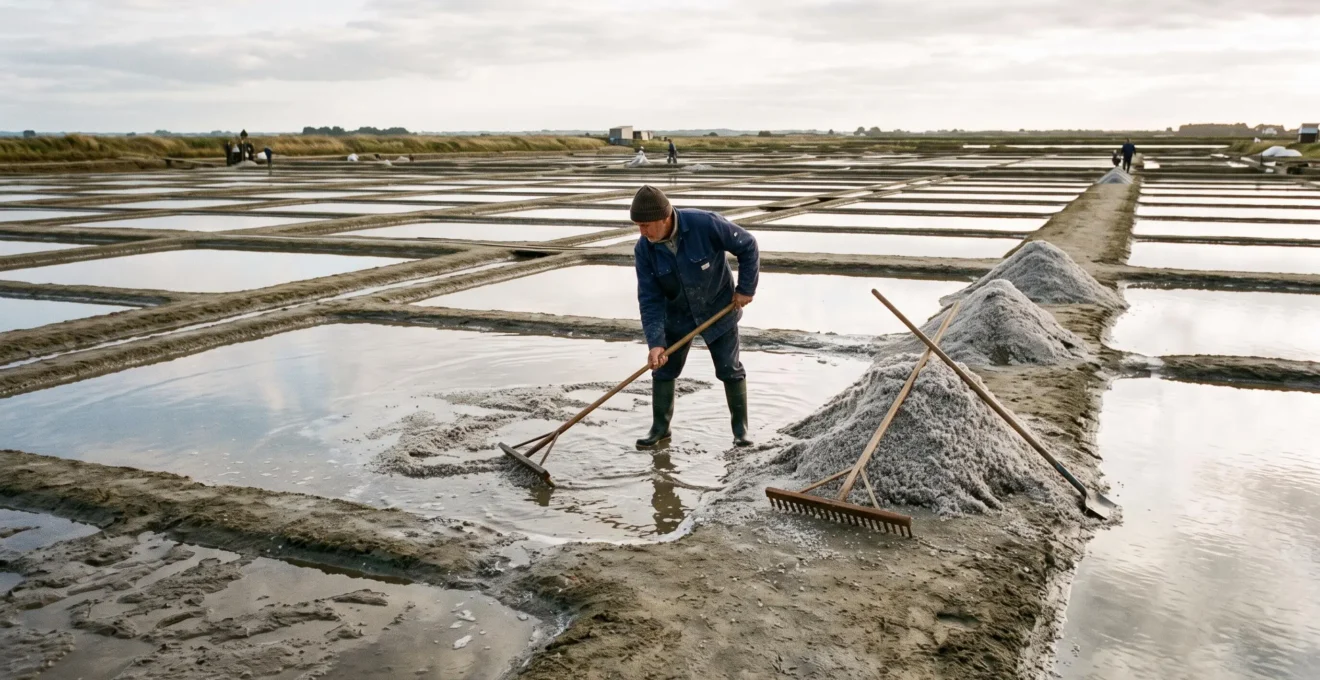
If you want a focused shortlist, start with: Saint-Martin-de-Ré for its harbour atmosphere and ramparts, Ars-en-Ré for a more rural village feel, and a trip towards Saint-Clément-des-Baleines / Phare des Baleines for the “end of island” scenery. Add at least one market morning (timings vary by village and season) and a salt marsh landscape ride to balance village time with nature.
Beach choice is mainly about the day you want: a convenient swim close to your base, or a longer bike ride to stretch the day. Rather than chasing a single “best beach”, pick one that fits your wind and timing, then keep a second option in mind in case conditions change.
A simple one-day itinerary if you are short on time
If you only have one full day, prioritise variety over distance. The goal is to combine one village visit, one coastal stretch, and one landscape change (marshes or lighthouse area) without spending your day turning around on the same path.
- Start early with a market stopPick the closest village market to your accommodation so you do not lose the morning to transport.
- Ride one “scenic leg” of the dayChoose a coastal or marsh-side segment where the cycling itself is part of the experience, not just a transfer.
- Anchor the afternoon with one headline sightEither a lighthouse-area outing or a long beach break; keep the other for your next visit.
- Return via a different villageA second village stop on the way back makes the day feel fuller without adding much complexity.
Where to Eat and What to Taste
On the Île de Ré, the most reliable “local” food experiences are often the simplest: market produce, oysters, and anything linked to the island’s salt. If you want something that feels distinctly Rétais, look for oysters, sea salt, and island products showcased at village markets.
The most travel-proof plan is to decide where you will eat by village type. Harbourside villages (such as Saint-Martin-de-Ré and La Flotte) naturally lend themselves to evening dinners and people-watching, while quieter communes may be better for daytime tastings and early meals—then a calm night back at your accommodation.
Where can you get an authentic oyster experience?
An oyster tasting at an oyster-farming hut, or cabane ostréicole, can be a distinctive way to discover one of the island’s local specialities. Before visiting, check the opening hours and whether the venue offers tastings on the day you plan to go, as availability can vary by season and producer.
If you prefer a sit-down dinner, choose a village where you can reach several restaurants on foot. During busy periods, booking a table in advance can help you avoid spending time looking for an available restaurant at dinner time.
Practical Tips to Plan Your Stay
Good logistics are what make the Île de Ré feel effortless. The three points that most often create friction are bridge timing, parking strategy, and booking lead time in high season. Handle these early and the rest of your itinerary becomes flexible.
Is the Île de Ré bridge toll expensive?
It depends on your travel period more than on distance: for light vehicles, the round-trip toll is €4 in low season, €8 in mid season, and €16 in high season (rates since 1 January 2025, Département de la Charente-Maritime). If you are budgeting tightly, that seasonal gap is a practical argument for travelling outside peak periods.
What should you plan for parking, especially in summer?
Assume parking will be easier if you make one clear choice: either park once and commit to cycling/walking, or accept that you will plan your days around where you can leave the car. In high season, that usually means arriving earlier to popular spots and staying realistic about “quick stops” in the most visited villages.
Because rules can change by commune and season, use a simple on-the-ground method: read the entrance signs carefully, check payment hours, and take a photo of the rule panel so you do not rely on memory later in the day.
What budget should you expect for a weekend?
Without inventing price ranges that vary sharply by season and booking timing, you can still structure your budget around three predictable categories: access costs (bridge toll if you drive), local mobility (bike rental if you do not bring your own), and food (market lunches versus restaurant dinners). Accommodation is the biggest variable—your village choice and travel dates will do most of the “pricing work” before you even compare properties.
- Lock your dates firstYour season will influence both the bridge toll and how early you may need to book accommodation.
- Choose your base villageThis sets how much you will rely on the car versus bikes, and how often you will eat out nearby.
- Decide your mobility planBring bikes, rent on arrival, or mix biking with short drives depending on your profile and weather.
- Plan two “fixed meals” and keep the rest flexibleFor example: one restaurant dinner you book, plus one market-based lunch; fill the gaps based on energy and crowd levels.
Do you need to book in advance?
In high season, booking ahead is less about finding “the best deal” than avoiding a forced choice (wrong village, wrong location, or splitting your stay). If you are travelling in summer or around holiday weekends, treat accommodation and any “must-have” dinners as items to secure earlier, then keep your daytime plan flexible around weather and energy.
Which village should I base myself in for a week on the Île de Ré?
Pick the village that matches your daily rhythm. If you want walkable evenings and lots of dining, start with Saint-Martin-de-Ré. If you want quieter nights and more rural rides, consider Ars-en-Ré or Loix. If you want convenience from the bridge and practical day trips, La Flotte or Rivedoux can make the week feel simpler.
Can you get around the island without a car?
Yes, many travellers structure their stay around cycling and walking, especially if they choose a base village with easy access to beaches, a market and bike rentals. A car becomes more useful if you arrive with lots of equipment, travel with very young children, or want to move frequently between far ends of the island in a short time.
What are the must-see places on the Île de Ré?
For a first trip, prioritise one harbour village experience (often Saint-Martin-de-Ré), one quieter village (such as Ars-en-Ré), and one “end of island” outing around Saint-Clément-des-Baleines and the Phare des Baleines area. Add a market morning and a bike ride through salt marsh landscapes to balance villages with nature.
Is it better to go in July or September?
July typically delivers the busiest, most summery atmosphere, but it can also mean more crowding and higher booking pressure. September often feels more flexible and calmer for cycling and village visits, while still offering a strong “holiday” feel. Your best choice depends on whether you prioritise peak energy or a smoother day-to-day pace.
To keep your trip simple, follow three steps: choose your base village, plan how you will get around, then select a few key sights and food experiences. Leave enough time to explore at your own pace, and check practical details such as opening hours, transport schedules and seasonal conditions before departure.